Brachioplasty
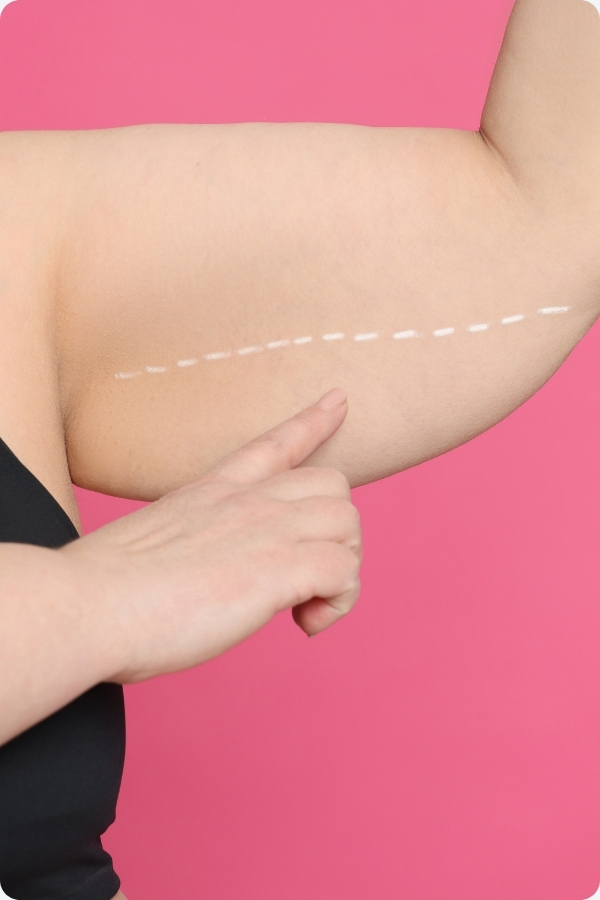
This is a corrective surgery applied to address sagging and fat accumulation in the upper arms, from the armpit to the elbow, caused by aging, gravity, and weight fluctuations. The goal is to remove both loose fat and skin tissue.
These operations reshape the body, allowing individuals to wear their desired clothing again (tight blouses, sleeveless dresses, evening gowns, etc.). It is an important step in improving body image.
Online Consultation
This is performed by our plastic surgeon.
Analysis & Planning
A personalized treatment plan is created in collaboration with our doctor.
Suitability
Our doctor will assess your suitability for the procedure.
Op. Dr. İlhan Serdaroğlu
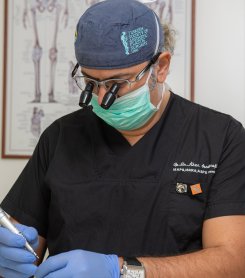
I have been serving patients for over 25 years.
I graduated with honors from Marmara University Faculty of Medicine and completed my specialization in Plastic and Reconstructive Surgery at Akdeniz University. I believe that surgical experience, the selection of the right technique, and personalized planning are crucial in hair restoration. A natural, anatomically appropriate hairline design and a tissue-respecting surgical approach that reduces the risk of complications are essential in hair transplantation. While aiming to reduce the psychological effects of hair loss in both men and women, I also strive to apply medical and scientific supportive treatments and share my experiences globally.
HAIR TRANSFORMATION STARTS HERE.
You can plan your hair transplant process specifically for you by having an online consultation with Op. Dr. İlhan Serdaroğlu.
Contact us via WhatsApp, form, or phone.
Our expert team will provide preliminary information and schedule your appointment.
Plan your hair transplant with Op. Dr. İlhan Serdaroğlu.
OUR TREATMENT PROCESSES
Our patient processes at our clinic

Let us Call You
How is it performed?
If there is significant laxity and sagging of the arm skin, surgical correction is performed. If your skin still has significant firmness and elasticity and subcutaneous fat is more prominent (a problem more common in our younger patients), liposuction alone can remove this subcutaneous fat tissue, and there will be no sagging of the skin. In other words, liposuction alone is sufficient.
Will there be significant scarring?
Scars from the surgical procedure will remain on the inside of the arm. If there is significant sagging over a large area, a straight line scar extending from the armpit to the elbow may remain. This scar will fade over time and take on the skin color. If the sagging is concentrated in the upper part of the arm and the amount is small, then only an indistinct scar will remain in the armpit.
Who should have this procedure and what precautions should be taken?
It should not be performed on individuals who have had breast tissue and axillary lymph nodes removed due to cancer. It should also not be preferred for individuals who sweat excessively in the armpits and frequently experience infections (common armpit acne).
When can one return to normal life after the operation?
With a soft bandage after the operation, the patient can go home the next day. After the check-ups on the second day, an arm brace will be fitted for the patient to wear for 3 weeks. Keeping the arms elevated after the operation will reduce pain and swelling. Arm exercises can be started in the second week.