What is fat injection?
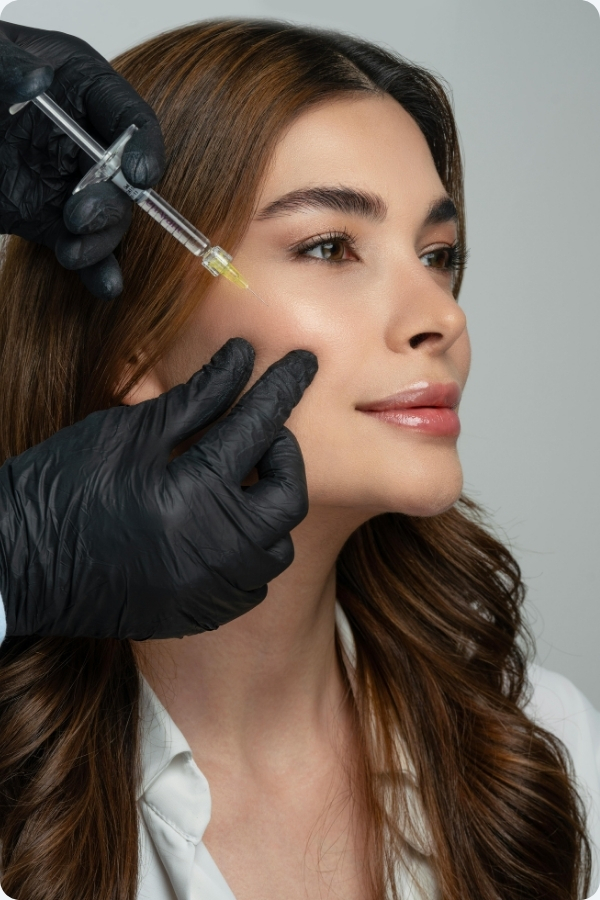
The most preferred biological filler material is the patient's own fat tissue. In this method, which we can also call fat transplantation, fat tissue taken from the abdomen, waist, and thighs is transferred under the skin and into the muscles using special injectors. This provides fullness and harmony in facial contours in areas such as the lips, cheekbones, and chin, and reduces deep wrinkles by adding volume.
Online Consultation
This is performed by our plastic surgeon.
Analysis & Planning
A personalized treatment plan is created in collaboration with our doctor.
Suitability
Our doctor will assess your suitability for the procedure.
Op. Dr. İlhan Serdaroğlu
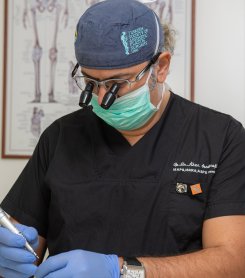
I have been serving patients for over 25 years.
I graduated with honors from Marmara University Faculty of Medicine and completed my specialization in Plastic and Reconstructive Surgery at Akdeniz University. I believe that surgical experience, the selection of the right technique, and personalized planning are crucial in hair restoration. A natural, anatomically appropriate hairline design and a tissue-respecting surgical approach that reduces the risk of complications are essential in hair transplantation. While aiming to reduce the psychological effects of hair loss in both men and women, I also strive to apply medical and scientific supportive treatments and share my experiences globally.
HAIR TRANSFORMATION STARTS HERE.
You can plan your hair transplant process specifically for you by having an online consultation with Op. Dr. İlhan Serdaroğlu.
Contact us via WhatsApp, form, or phone.
Our expert team will provide preliminary information and schedule your appointment.
Plan your hair transplant with Op. Dr. İlhan Serdaroğlu.
OUR TREATMENT PROCESSES
Our patient processes at our clinic

Let us Call You
What is fat injection?
When a person’s own fat tissue is harvested, healthy stem cells are also collected together with the fat cells and then injected back into the patient. In this way, thanks to the stimulating and revitalizing effect of these fresh stem cells, the skin structure of the injected area also gains freshness, vitality, and brightness. For this reason, fat tissue injections can be considered as a rejuvenation treatment prepared from the person’s own tissues and applied to their body.
Are fat injections safe?
Yes, fat injections are a safe procedure when performed by experienced plastic surgeons trained in this field, under sterile hospital conditions and with the supervision of qualified healthcare personnel.
How is fat injection performed?
During this procedure, both the donor area from which the fat will be taken and the area to be injected are numbed under local anesthesia. After the fat tissue is harvested with a thin liposuction cannula, it is processed through certain steps and then transferred to the recipient area using special syringes. No pain or discomfort is felt during the procedure, and it is completed in a short time.
Is the postoperative period difficult, and when can normal life be resumed?
A light bandage is applied with adhesive tape to the area where fat injection is performed and is removed on the third day. Pain is very mild or may not be felt at all. Swelling and bruising that may occur usually resolve on their own within 5–7 days. During this period, makeup may be used to camouflage bruising. To prevent bruises from leaving marks, it is advisable to protect the area from ultraviolet rays with sunscreen.
Is it necessary to repeat fat injections?
Yes. Approximately 70% of the injected fat tissue may be absorbed within 6 months. Therefore, it may be necessary to perform supplementary fat injections 1–2 more times within the first year. However, this decision should be made after discussion between the surgeon and the patient. In some patients, additional tissue injection may not be needed for 1–1.5 years. It should be remembered that even though the injected fat cells become part of the body by surviving with blood vessels from the surrounding tissues, over time they may again tend to sag, diminish, or collapse due to aging and facial expressions.
Can fat injections be combined with other procedures?
This technique can be performed together with skin rejuvenation procedures (such as laser, dermabrasion, and chemical peeling) and/or facelift operations.
What are the advantages, disadvantages, and risks of fat injections?
The most important advantage of this technique is that it can achieve dramatic facial rejuvenation without surgical incisions or sutures. It is also a procedure that does not remove the patient from social life and does not require long postoperative care or dressings. The patient can return to daily life immediately after the procedure. Its disadvantage is the need for repeated sessions and the necessity of harvesting tissue (fat) from the patient each time, even though excess fat tissue may be stored in special deep freezers. In addition, although rare, bleeding, bruising of the skin, infection, and skin loss, meaning necrosis, may occur after fat injection. The injected fat may form palpable lumps or swellings, and when too much is injected into one area, displacement or sagging of the fat tissue may occur. Of course, failure to achieve the desired result and the patient finding the outcome insufficient is also a risk.
What is a tissue cocktail?
Among filler materials obtained from the patient’s own body, the “tissue cocktail” holds a special place. In this method, the subcutaneous connective tissues of our patients undergoing procedures such as facelift, abdominoplasty, or breast reduction are harvested and divided into tiny particles that can pass through syringes, then transferred beneath the skin again by injection to correct deep wrinkles.
What is the difference from fat injection?
Since subcutaneous dermis tissue and fascia (connective) tissues contain much more collagen than fat tissue and have a survival rate reaching up to 90% after 6 months (with only about 10% resorption), facial rejuvenation procedures performed with a tissue cocktail provide longer-lasting cosmetic results.
Why is our own tissue the most suitable filler material?
Other filler materials used in the treatment of facial wrinkles, depressions, and sagging (such as collagen, injected silicone, and suture materials) may cause allergic reactions, and their risk of infection is much higher compared with fat and tissue cocktail applications. In addition, some filler materials may produce very poor and unnatural results. Allergic reactions are not seen after fat tissue injections. The risk of infection is very low. For these reasons, instead of expensive artificial filler materials that may lead to many undesirable results such as infection, abscess formation, and wound opening, surgeons and patients should prefer biological filler materials.