What is an abdominoplasty operation?
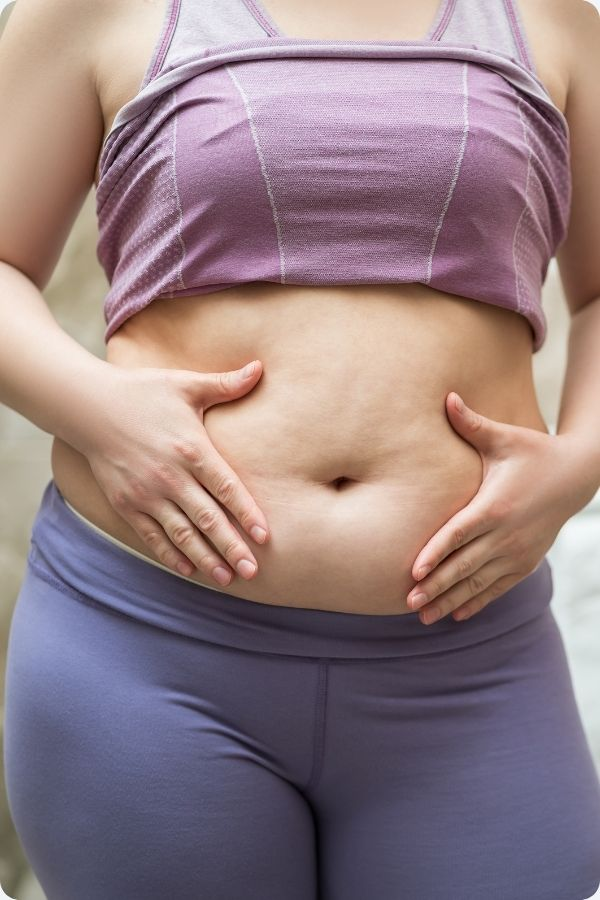
A tummy tuck is a surgical procedure to remove excess fat and skin around the navel that stubbornly cannot be eliminated through exercise and diet. During this operation, all sagging skin and fat tissue below the navel is removed; the muscle tissue in the mid-abdomen, around the navel, and in the abdominal wall is tightened. This dramatically improves the sagging abdominal appearance, eliminates folds that appear when sitting, and gives the person a flatter abdominal contour.
Online Consultation
This is performed by our plastic surgeon.
Analysis & Planning
A personalized treatment plan is created in collaboration with our doctor.
Suitability
Our doctor will assess your suitability for the procedure.
Op. Dr. İlhan Serdaroğlu
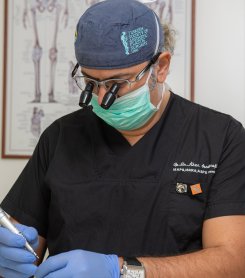
I have been serving patients for over 25 years.
I graduated with honors from Marmara University Faculty of Medicine and completed my specialization in Plastic and Reconstructive Surgery at Akdeniz University. I believe that surgical experience, the selection of the right technique, and personalized planning are crucial in hair restoration. A natural, anatomically appropriate hairline design and a tissue-respecting surgical approach that reduces the risk of complications are essential in hair transplantation. While aiming to reduce the psychological effects of hair loss in both men and women, I also strive to apply medical and scientific supportive treatments and share my experiences globally.
HAIR TRANSFORMATION STARTS HERE.
You can plan your hair transplant process specifically for you by having an online consultation with Op. Dr. İlhan Serdaroğlu.
Contact us via WhatsApp, form, or phone.
Our expert team will provide preliminary information and schedule your appointment.
Plan your hair transplant with Op. Dr. İlhan Serdaroğlu.
OUR TREATMENT PROCESSES
Our patient processes at our clinic

Let us Call You
Can stretch marks that appear after pregnancy be eliminated?
All the skin below the navel can be removed with a tummy tuck, thus removing the stretch mark. Stretch marks above the navel are less noticeable as they are pulled down and tightened, leaving no stretch marks or deformed skin around the navel. In a well-performed tummy tuck, the area above the pubis (genita) is lifted upwards; the upper thighs are also lifted to reduce sagging, and the body contour is completely changed.
What additional procedures can be performed with this operation?
During the initial examination, the surgeon will assess the patient's general health, the amount and distribution of fat in the abdominal area, the sagging, excess, and quality of the abdominal skin. Based on the patient's expectations and examination findings, a decision will be made as to whether the patient is suitable for a tummy tuck alone; a tummy tuck with liposuction; or just a mini abdominoplasty. In some patients, liposuction alone may be sufficient, and excess fat can be removed without skin removal. If necessary, liposuction can be performed in conjunction with a tummy tuck to reduce excessive fat in the upper abdomen and waist area. With these combined procedures, the patient loses several dress sizes and gets rid of unsightly body contours.
Combined contouring operations are generally known as "mommy makeover" operations. These include tummy tucks, breast lifts, combined liposuction, and vaginoplasty, all aimed at restoring a woman's pre-pregnancy body shape.
Who is a candidate for abdominoplasty?
Women and men with abdominal fat and sagging that doesn't respond to diet and exercise, and with uneven body contours, are candidates for this surgery. Abdominoplasty is not a treatment for obesity, but a contouring surgery. This surgery is particularly beneficial for women who have given birth several times, have developed stretch marks and sagging skin in the abdominal area, and have weakened abdominal muscles.
What should be considered before abdominoplasty, and how should preparation be done?
During the operation, stretch marks and fatty tissue below the navel are removed; loosened muscle tissue and possible hernias in the anterior abdominal wall are repaired. Losing weight through diet before this operation helps us achieve better results. In women planning pregnancy after the operation, the surgery should be postponed due to the possibility of re-deformation of the abdominal area. Furthermore, in patients who are heavy smokers; in cases of uncontrolled diabetes and high fasting blood sugar, there may be delays in wound healing and local skin loss due to impaired skin nutrition after such operations. Therefore, we advise patients who smoke to quit smoking 4 weeks before and 2 weeks after the operation. If used, aspirin should be discontinued. Severe diets should be avoided before the operation. A cold or other infection will cause the operation to be postponed.
Under what anesthesia and how is the operation performed?
Abdominoplasty operations are performed under general anesthesia, with the patient asleep and without pain. It is usually a 2-3 hour operation. During the operation, a long incision is made between the hip bone prominences on both sides. This incision is in the same location as the incision in cesarean section operations. Through this long incision, the loose abdominal skin and fatty layer are lifted upwards. Next, the loosened abdominal muscles are tightly sutured together. Any hernias are repaired. This results in a slimmer waist and a firmer abdominal wall. After a new navel is created, excess skin and fat tissue are cut away. Thin tubes (drains) are placed at the surgical site to remove any leakage. These are removed 1-2 days after the operation.
What is mini abdominoplasty?
In some cases where there is only localized fat accumulation and abdominal wall laxity below the navel, and the body contour is not significantly altered, a "mini tummy tuck" procedure is performed. This is a less invasive surgery; no incision is made around the navel, and the incision line is shorter. The navel's position remains unchanged.
What are the possible complications of a tummy tuck?
Post-operative infection, subcutaneous blood clots, or accumulation of serum leakage are very rare. Impaired skin nutrition may be observed in smokers and diabetic patients. To minimize these, early walking and movement of the patient is necessary.
What difficulties can be experienced after the operation?
In the first few days, there may be pain and a feeling of tightness due to tissue swelling. However, these complaints are reduced with a special corset and painkillers used for 3 weeks after the operation. Although the surgical scar is long, it may appear to worsen in the first 3-6 months, but this is normal. The flattening and fading of the scars can take 9 months to 1 year. However, this scar is easily camouflaged under swimwear or underwear.
When can I return to normal life after the operation?
The compression garment used greatly increases the patient's comfort. The patient stays in the hospital for one night and is able to get up and walk the next day. They can return to light-paced work or school life in approximately 2-3 weeks. Brisk walking can be started after 3 weeks; abdominal exercises after 3 months. If abdominal muscles are strengthened with post-operative exercises and weight gain is prevented with diet, even better results can be obtained from the operation.
Can I get pregnant again, will the shape of my abdomen be distorted?
Women can get pregnant and give birth again after a tummy tuck operation. However, after childbirth, there may be a loosening/relaxation of the abdominal muscles and deformation/sagging of the skin. Therefore, it is wise to wait until after the last pregnancy when planning such operations.