What is liposuction?
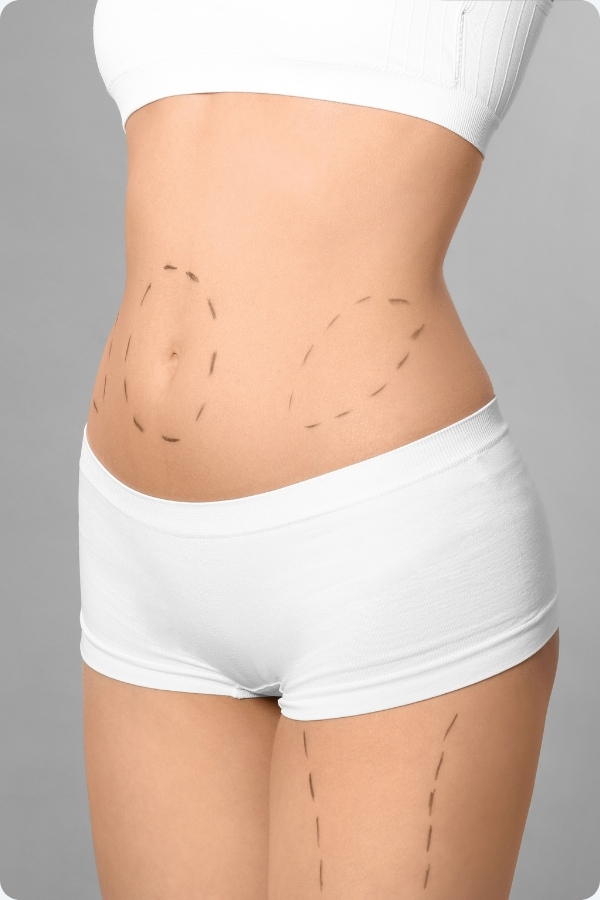
Certain areas of the body, such as the abdomen, waist, hips, inner and outer thighs, inner knees, and chin, are resistant to fat accumulation despite diet and exercise. Excessive exercise aimed at removing this excess fat will not only be ineffective but can also disrupt the body's overall metabolism.
These resistant fat deposits are removed from the body using a negative pressure vacuum through a procedure called "Liposuction." These procedures are definitely not weight loss surgeries; they are contouring procedures.
Online Consultation
This is performed by our plastic surgeon.
Analysis & Planning
A personalized treatment plan is created in collaboration with our doctor.
Suitability
Our doctor will assess your suitability for the procedure.
Op. Dr. İlhan Serdaroğlu
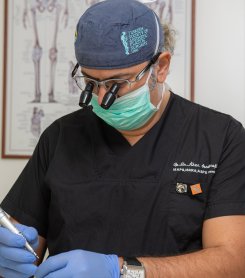
I have been serving patients for over 25 years.
I graduated with honors from Marmara University Faculty of Medicine and completed my specialization in Plastic and Reconstructive Surgery at Akdeniz University. I believe that surgical experience, the selection of the right technique, and personalized planning are crucial in hair restoration. A natural, anatomically appropriate hairline design and a tissue-respecting surgical approach that reduces the risk of complications are essential in hair transplantation. While aiming to reduce the psychological effects of hair loss in both men and women, I also strive to apply medical and scientific supportive treatments and share my experiences globally.
HAIR TRANSFORMATION STARTS HERE.
You can plan your hair transplant process specifically for you by having an online consultation with Op. Dr. İlhan Serdaroğlu.
Contact us via WhatsApp, form, or phone.
Our expert team will provide preliminary information and schedule your appointment.
Plan your hair transplant with Op. Dr. İlhan Serdaroğlu.
OUR TREATMENT PROCESSES
Our patient processes at our clinic

Let us Call You
Can liposuction be performed for weight loss?
Liposuction cannot be performed for weight loss. It is only performed to contour and shape the body. It can be used to slim the waist and arms, reduce fat in the hips, abdomen, inner thighs, and back, and eliminate bra folds in the chin and back.
Will fat accumulate again in the same area after liposuction?
The number of fat cells in the body is constant. However, when excess calories are consumed and stored, i.e., when weight increases, the volume of fat cells increases, resulting in obesity. Since fat cells in resistant areas are removed by vacuuming, the number of fat cells in these areas will decrease. If weight gain continues, the remaining fat cells in these areas will increase in volume, resulting in some obesity, albeit less than before. However, weight gain occurs without disrupting the smooth contour achieved by the operation. In other words, the weight gain process continues without the formation of noticeable bulges or swellings on the inner and sides of the thighs or buttocks.
Where is the operation performed, and under what type of anesthesia?
The surgery is performed in a hospital operating room under the supervision of an anesthesiologist. The operation is performed under local anesthesia and sedation (intravenous anesthesia) or general anesthesia. Only local anesthesia may be applied to very limited, small areas.
Is liposuction used to remove cellulite?
With a method called superficial liposuction (liposculpture), fat deposits that cause contour irregularities are removed, and it is also possible to eliminate sagging skin and stubborn cellulite. Cellulite is the orange peel appearance caused by excess fat in fat compartments separated by septa, which exert pressure on the skin surface above. Removing this fat tissue from the body improves this appearance and somewhat reduces cellulite. Additionally, the skin connections of the septa within the fat tissue compartments that form cellulite are released using specially designed cannulas with a V-shaped tip, resulting in a smoother skin surface.
How long after childbirth can liposuction or tummy tuck be performed?
These types of contouring operations are generally known as "mommy makeover" operations. That is, they can be described as a combination of liposuction, tummy tuck, breast lift, and vaginal tightening operations aimed at restoring a woman's pre-pregnancy body shape. All these operations should be performed at least one year after childbirth, or at least six months after the breastfeeding period has ended. The most effective results are obtained when the operation is performed after the mother has returned to her pre-pregnancy weight.
How much fat can be removed with liposuction?
As long as the goal is contouring and not weight loss, in carefully selected patients, under good hospital conditions, with appropriate techniques and attention to safety limits, liposuction can remove amounts ranging from very small amounts (50-100 cc) to large amounts (5-10 liters). However, nowadays, approximately 1.5-2.5 liters of fat are usually removed in each operation, and efforts are made not to remove more than 8-9% of body weight. If very large volumes of fat are to be removed, measures must be taken to avoid disrupting the patient's fluid and electrolyte balance, and close monitoring of the patient after the operation is necessary.
What are liposhaping, liposculpturing, and liposhaping?
These methods are nothing more than "superficial liposuction" performed by plastic surgeons in outpatient settings or operating rooms under local anesthesia for the last 10 years. In other words, fat cells are still removed using a vacuum system. These methods are applied with the help of smaller metal tubes (cannulas) or lasers. The aim is to remove small amounts of fat tissue from the patient's body and to eliminate bothersome contour irregularities with minor adjustments.
How is liposuction performed, and what is the tumescent technique?
During the procedure, a pre-prepared special fluid is injected to inflate the area of stubborn fat deposits, reducing bleeding/bruising and postoperative pain. The amount of fluid injected varies depending on the amount of fat to be removed; this is what we call the "tumescent technique." Then, to access this area, several incisions, 3-4 mm long, are made, concealed within natural skin folds. Through these incisions, metal tubes called "cannulas," 1-4 mm in diameter depending on the degree of fat accumulation, are inserted under the skin into the fat deposit area. The cannulas are connected to a vacuum device. When the vacuum device is activated, the cannulas are carefully moved to the appropriate depth in the fat deposit areas, ensuring that vital organs are not damaged. The unwanted fat is broken down and removed by negative pressure. In cases where stubborn fibrotic hardenings occur within fatty tissue (such as in the nape of the neck, bra strap areas on the back, and breast tissue in men), ultrasonic liposuction devices or laser liposuction devices are used. These devices can easily melt and vacuum these areas using ultrasonic waves, resulting in a tightening effect on the skin.
What is the post-operative period like, and what precautions should be taken?
The post-operative period is generally comfortable, and pain is not usually felt. Special bandages are applied to the vacuumed areas, or special stockings and a corset are worn. After liposuction in the leg area, these special stockings should be worn for about 3 weeks. After the 3rd week, it is beneficial to have 10-15 sessions of vacuum massage for shaping purposes. The stitches placed at the cannula entry points are removed on the 5th day after the operation. Corsets in the abdominal area should be worn for about 6 weeks. After the 3rd week, the corset can be removed while sleeping at night. Bruising, swelling, tingling, and sometimes burning sensations in the liposuctioned areas disappear spontaneously within 3 weeks.
What are the complications of liposuction surgery?
As with any operation, very rarely, infection, hematoma (blood accumulation) under the skin, seroma (serum accumulation), and temporary loss or decrease of sensation may occur after liposuction. The most important complication is contour irregularities and ripples in the skin that may occur in the late postoperative period. As a result, unwanted swelling and depressions may form on the skin surface. When performed with much thinner cannulas and carefully, such complications are not seen. For correction purposes, a small liposuction procedure can be performed under local anesthesia as a touch-up. In the hands of unqualified individuals without a concept of plastic surgery, it is possible for much more serious and life-threatening complications (such as fat embolism, where fat droplets block the vessels) to occur after a seemingly simple aesthetic operation, and even for the patient to lose their life. This can occur especially after large-scale liposuction surgeries performed without paying attention to fluid and electrolyte balance; due to injury to vital organs and vessels, and as a result of infection. Therefore, it is extremely important for patients to do thorough research before surgery and to choose their doctor carefully.