What changes occur to our eyelids over time?
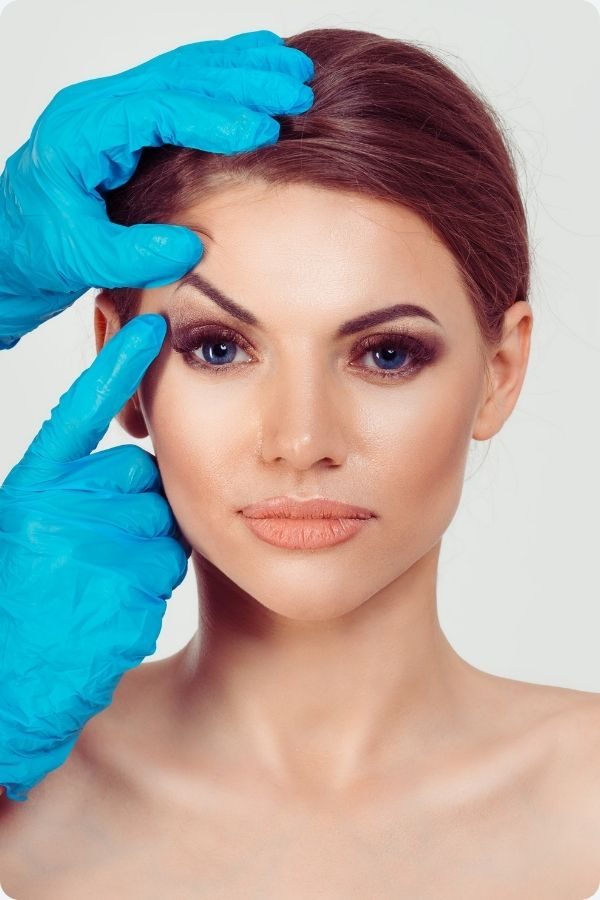
As we age, the effects of gravity can cause sagging in the eyebrows, upper and lower eyelids, and along with this, an increase in the volume and herniation of fatty tissue in the lower eyelids can lead to puffiness. Besides causing cosmetic problems, sagging upper eyelids can also obstruct a person's vision.
Online Consultation
This is performed by our plastic surgeon.
Analysis & Planning
A personalized treatment plan is created in collaboration with our doctor.
Suitability
Our doctor will assess your suitability for the procedure.
Op. Dr. İlhan Serdaroğlu
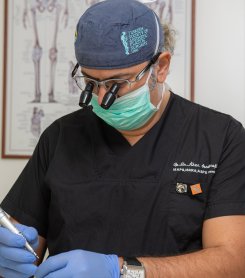
I have been serving patients for over 25 years.
I graduated with honors from Marmara University Faculty of Medicine and completed my specialization in Plastic and Reconstructive Surgery at Akdeniz University. I believe that surgical experience, the selection of the right technique, and personalized planning are crucial in hair restoration. A natural, anatomically appropriate hairline design and a tissue-respecting surgical approach that reduces the risk of complications are essential in hair transplantation. While aiming to reduce the psychological effects of hair loss in both men and women, I also strive to apply medical and scientific supportive treatments and share my experiences globally.
HAIR TRANSFORMATION STARTS HERE.
You can plan your hair transplant process specifically for you by having an online consultation with Op. Dr. İlhan Serdaroğlu.
Contact us via WhatsApp, form, or phone.
Our expert team will provide preliminary information and schedule your appointment.
Plan your hair transplant with Op. Dr. İlhan Serdaroğlu.
OUR TREATMENT PROCESSES
Our patient processes at our clinic

Let us Call You
Who are suitable candidates for this operation?
Generally, individuals over the age of 30 who have begun to experience sagging and puffiness in the upper and lower eyelids and who do not have any other health problems are suitable candidates for this procedure.
What is blepharoplasty?
It is a surgical procedure in which excess skin and fat tissue in the lower and upper eyelids that give a tired and aged appearance to the person are removed (removal of under-eye bags).
How is the operation performed?
The procedure is performed by making an incision in the upper eyelid along the natural eyelid crease and removing the excess skin. In the lower eyelid, excess skin and fat tissue are removed through an incision made just below the eyelashes. These procedures are performed under local anesthesia and intravenous sedation (sleeping through medication given via a vein). Depending on the patient’s complaints, only the upper eyelids, only the lower eyelids, or both upper and lower eyelids can be operated on at the same time. The procedure takes approximately 1–1.5 hours.
Is the postoperative period difficult?
The early postoperative period is generally comfortable. Swelling and bruising around the eyes will occur. Dryness and a burning sensation may appear in the eyes. Tearing may increase, the eyes may become sensitive to light, and in the first days the patient may not be able to fully close their eyes. Ice compresses are applied after the operation to reduce bruising and swelling. Swelling and bruising usually subside within 1–2 weeks. Mild discolorations can be covered with makeup.
When can normal life be resumed?
It is possible to go home on the same day; hospitalization is not required. The stitches are removed 5–7 days after the operation. Within approximately 6–7 months, the incision scars on the eyelids become almost unnoticeable. The patient can return to work after 3 days. If the patient uses contact lenses, they can start wearing them again after 2 weeks.
Can blepharoplasty need to be repeated?
The results of this type of operation are permanent. However, the new shape of the eyelids may be affected by factors such as the person’s lifestyle, weight gain or loss, stress, lack of sleep, and gravity. Depending on the individual, the results may remain unchanged for several years or even for a lifetime. If deformation occurs again, the eyelids can be operated on once more.