Otoplasty (Ear Correction Surgery)
These are surgeries performed to bring the ear closer to the head and make it flatter, and/or to make missing ear folds more prominent, in cases where the earlobe is congenitally large or protruding forward.
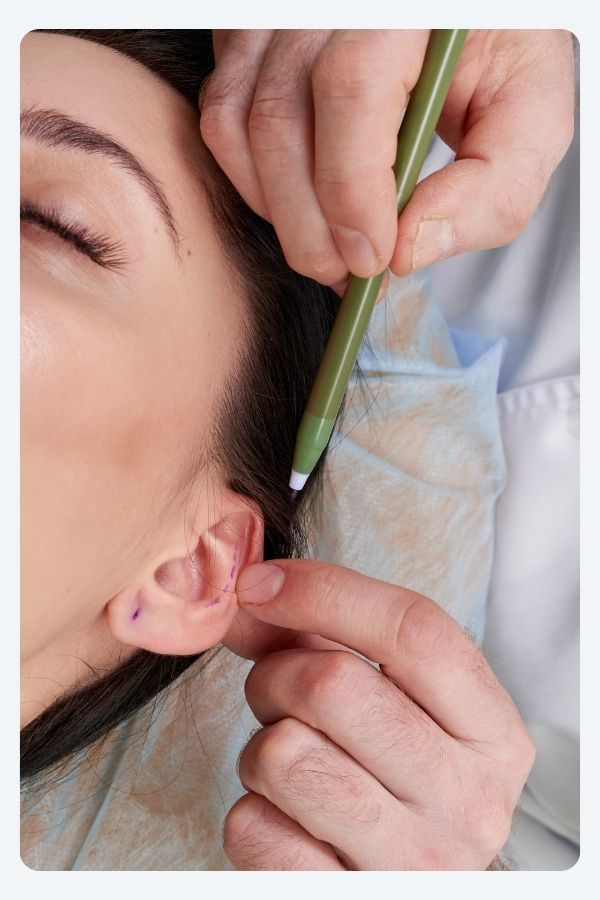
Online Consultation
This is performed by our plastic surgeon.
Analysis & Planning
A personalized treatment plan is created in collaboration with our doctor.
Suitability
Our doctor will assess your suitability for the procedure.
Op. Dr. İlhan Serdaroğlu
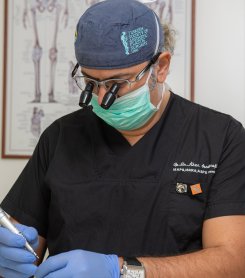
I have been serving patients for over 25 years.
I graduated with honors from Marmara University Faculty of Medicine and completed my specialization in Plastic and Reconstructive Surgery at Akdeniz University. I believe that surgical experience, the selection of the right technique, and personalized planning are crucial in hair restoration. A natural, anatomically appropriate hairline design and a tissue-respecting surgical approach that reduces the risk of complications are essential in hair transplantation. While aiming to reduce the psychological effects of hair loss in both men and women, I also strive to apply medical and scientific supportive treatments and share my experiences globally.
HAIR TRANSFORMATION STARTS HERE.
You can plan your hair transplant process specifically for you by having an online consultation with Op. Dr. İlhan Serdaroğlu.
Contact us via WhatsApp, form, or phone.
Our expert team will provide preliminary information and schedule your appointment.
Plan your hair transplant with Op. Dr. İlhan Serdaroğlu.
OUR TREATMENT PROCESSES
Our patient processes at our clinic

Let us Call You
When and where should prominent ear surgery be performed?
Since most of the ear development is completed by the age of four, these operations can be performed between the ages of 4–6. It is especially important to perform the procedure before school age in order to improve the child’s psychological well-being before entering social life at school. While the operation is performed under general anesthesia in small children, it can be performed under local anesthesia in adults and in children close to adolescence, and it is carried out in an operating room.
How is the operation performed?
During the operation, after the ear cartilage is reached, these structures are shaped by filing them down and/or removing a small amount without disturbing their anatomical structure. Permanent sutures are then used to increase the fold of the ear and make it lie closer to the head. In cases where the ear concha (ear bowl) is excessive, cartilage tissues may be removed to eliminate the excess tissue and reshape the ear. These procedures can be performed through incisions made either on the front or the back surface of the ear. However, incisions made on the back surface of the ear may carry a higher risk of complications such as bleeding and numbness, so incisions made from the front of the ear can be more advantageous. Since the incision made from the front is hidden within the ear fold, the scar is very difficult to notice.
What should be considered after the surgery?
After the operation, the ears are wrapped with a bandage, which is removed after five days. The sutures are also removed on the 5th day. Postoperative pain is minimal. Normal daily activities can be resumed after a few days of rest. After the bandage is removed, the use of an elastic bandage for at least 3 weeks is recommended to prevent the newly shaped ear from losing its form during the healing period. To preserve the newly created shape of the ear, it is necessary to avoid any trauma or impact to the ear for at least 1.5–2 months.
What are the complications of prominent ear surgery?
Possible complications include infection, visible raised scar tissue on the ear skin (hypertrophic scar or keloid), hematoma (blood clot accumulation under the skin), and recurrence of the ear deformity. In cases of bleeding and clot formation, it may sometimes be appropriate for the doctor to remove the accumulated blood under the skin with the help of a syringe. The risk of infection in the ear cartilage is low; however, if infection occurs, aggressive antibiotic treatment may be required.